


Views: 0 Author: Site Editor Publish Time: 2026-04-25 Origin: Site


In restaurant kitchens, electric fryers are among the hardest-working pieces of equipment. From lunch rushes to late-night service, they operate under constant heat, repeated oil use, and frequent product turnover. For restaurants that rely on a digital electric fryer for restaurants, good maintenance is not just about keeping the machine clean. It is a direct factor in food quality, cooking consistency, energy efficiency, kitchen safety, and equipment lifespan. A well-maintained fryer can deliver stable temperatures, crisp results, and smoother day-to-day operation. A poorly maintained fryer, on the other hand, may lead to burnt oil, uneven frying, higher electricity use, unplanned downtime, and costly repairs. That is why restaurant managers, kitchen supervisors, and equipment buyers should treat fryer maintenance as a core part of kitchen operations rather than an afterthought.
Maintenance tips for electric fryers in restaurant kitchens are especially important as more businesses adopt digital models with precise controls and higher performance expectations. Digital electric fryers can help improve temperature accuracy and workflow efficiency, but they still depend on regular care to perform well over time. Oil residue, carbon buildup, clogged zones, neglected heating components, and improper cleaning routines can gradually reduce efficiency even in advanced units. In this article, we will break down practical maintenance strategies that help restaurants protect their equipment investment, extend fryer life, and maintain reliable cooking performance in busy commercial kitchens.
Many restaurant teams focus on maintenance only when a fryer begins to show obvious problems. By then, the issue may already be affecting output quality or kitchen efficiency. Preventive care is always more effective than reactive repair.
Regular maintenance helps restaurants achieve several important goals:
· stable frying temperatures
· better oil quality and longer oil life
· improved food taste and texture
· reduced risk of equipment failure
· lower long-term repair costs
· safer working conditions for staff
In a commercial setting, even a small performance drop in a fryer can have operational consequences. Slower recovery times, dirty oil, and inaccurate temperature readings can all affect the pace of service and the consistency of the final product.
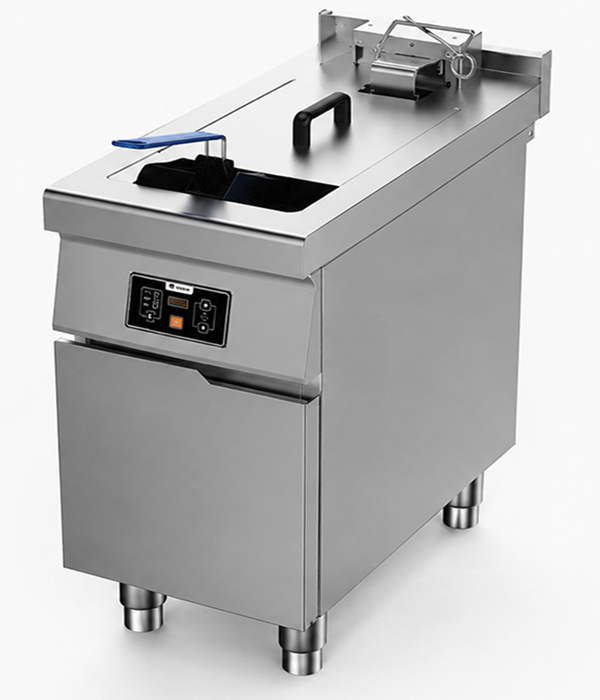
Daily cleaning is the foundation of fryer maintenance. In restaurant kitchens, heavy use creates a buildup of crumbs, food particles, oil residue, and carbonized debris. If these are not removed regularly, they can contaminate oil, affect taste, and place extra stress on the fryer.
A daily cleaning routine should not be overly complicated, but it needs to be consistent. Staff should allow the fryer to cool to a safe handling temperature before beginning any cleaning steps. The oil may need to be filtered or drained depending on the operation schedule and cleaning depth required.
Daily cleaning tasks often include:
· wiping exterior surfaces
· removing food debris from baskets
· cleaning control panel surfaces carefully
· checking the fry pot for sediment buildup
· wiping splash areas around the fryer
· inspecting handles, knobs, and access points
For digital electric fryer units, special care should be taken around the control interface. The display and buttons should be cleaned with appropriate materials to prevent moisture intrusion or surface damage.
Oil condition affects both food quality and fryer health. One of the most useful maintenance tips for electric fryers in restaurant kitchens is to treat oil care as part of equipment maintenance, not just cooking management.
When oil breaks down, it forms more residue, creates stronger odors, darkens quickly, and leaves more deposits on the fryer interior. Poor oil quality can also cause inconsistent frying results and force the fryer to work harder to maintain proper temperature.
If oil becomes very dark too quickly, it may be overloaded with burned particles or degraded by excessive heat.
These are common warnings that oil quality has dropped and performance may suffer.
A strong or unusual smell may indicate that old oil and residue are affecting food taste and fryer cleanliness.
Loose particles in the oil can burn repeatedly and accelerate internal buildup inside the fryer.
Restaurants that filter oil regularly and replace it at the right intervals usually experience better fryer performance and easier cleaning overall.
Daily wipe-downs are important, but they are not enough on their own. Over time, the inside of the fry pot develops stubborn layers of grease and carbon deposits that basic cleaning cannot remove. This is where boil-out cleaning becomes essential.
A boil-out is a deeper cleaning process that uses water and a fryer-safe cleaning solution to remove hardened residue from the tank interior. The frequency depends on usage volume, food type, and oil turnover, but busy kitchens often need it on a regular schedule.
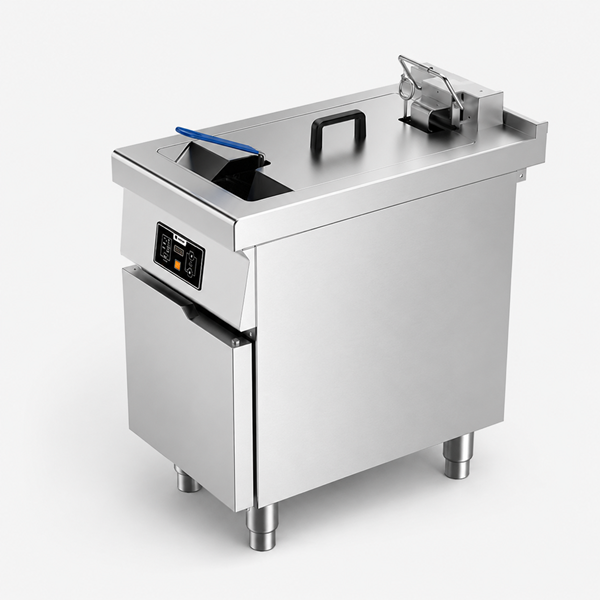
Boil-out cleaning can help:
· remove stubborn grease buildup
· improve heat transfer efficiency
· reduce burned smells in fresh oil
· support more accurate temperature control
· extend the life of internal components
For restaurants using a digital electric fryer for restaurants, following the equipment manufacturer’s boil-out instructions is especially important. Digital systems may have specific procedures for shutting down, cleaning, and restarting the unit safely.
Electric fryers depend heavily on the condition of heating components and temperature regulation systems. If these parts become coated with residue or begin to wear out, the fryer may heat unevenly or respond slowly during service.
This is particularly important in digital models, where precise temperature control is one of the main advantages. When sensors or heating surfaces are affected by buildup, the fryer may still show a programmed setting, but real cooking performance can drift away from the target.
Heating element cleanliness
Residue on heating surfaces can reduce efficiency and create hot spots.
Temperature consistency
If food cooks too fast one day and too slowly the next, calibration or sensor issues may be developing.
Unusual cycling behavior
A fryer that turns on and off too often may need inspection.
Error messages on digital controls
These should not be ignored, even if the fryer continues running.
Routine inspection helps restaurants identify problems early, before they become full equipment failures.
To make maintenance easier for staff, many kitchens benefit from a simple structured schedule. The table below offers a useful way to divide fryer care into manageable tasks.
Maintenance Task | Recommended Frequency | Main Benefit |
Wipe exterior surfaces | Daily | Improves hygiene and appearance |
Remove crumbs and debris | Daily | Protects oil quality |
Filter frying oil | Daily or as needed | Extends oil life |
Inspect baskets and handles | Daily | Supports safe operation |
Deep clean fry pot | Weekly | Reduces carbon buildup |
Boil-out cleaning | Periodically based on use | Restores internal cleanliness |
Check heating performance | Weekly | Helps maintain temperature stability |
Review digital control function | Weekly | Prevents unnoticed operating issues |
Professional inspection | Scheduled service interval | Identifies wear before failure |
This type of schedule can help restaurant teams stay consistent even during busy periods.
Electric fryers play a central role in restaurant productivity, and their performance depends heavily on how they are maintained. Maintenance tips for electric fryers in restaurant kitchens are not limited to simple cleaning. They include oil management, deep cleaning, staff training, performance monitoring, heating inspection, and proper care of digital controls. When these practices are followed consistently, restaurants can improve food quality, reduce downtime, extend equipment lifespan, and create a safer and more efficient kitchen environment. In fast-paced commercial operations, maintenance is one of the simplest ways to protect both service quality and equipment investment.
From our perspective, a reliable fryer should not only deliver precise heating and efficient operation, but also be designed for long-term practical use in busy foodservice environments. At Shenzhen Mantru.E Commercial Equipment Manufacturing Co., Ltd., we understand that restaurant operators need equipment that supports performance as well as manageable maintenance routines. If you are reviewing options for a digital electric fryer for restaurants or want to better understand how proper maintenance affects long-term value, you can learn more from Shenzhen Mantru.E Commercial Equipment Manufacturing Co., Ltd. and explore solutions that fit real commercial kitchen demands.
Basic cleaning should be done daily, while deeper cleaning should be scheduled weekly or according to usage volume. Boil-out cleaning should also be performed periodically to remove internal buildup.
Oil quality affects residue buildup, heating efficiency, food taste, and internal cleanliness. Poor oil management can shorten fryer life and increase cleaning demands.
Common signs include uneven frying, slower heat recovery, unusual smells, rapid oil darkening, and inconsistent digital control behavior.
Yes. Digital models need careful cleaning around the control system, proper shutdown procedures, and quick attention to display or temperature-related issues.


