


Views: 0 Author: Site Editor Publish Time: 2026-03-24 Origin: Site


In a busy fast-food operation, the fryer is more than just a cooking appliance. It is one of the most important pieces of equipment in the entire kitchen because it directly affects speed of service, food consistency, oil quality, labor efficiency, and daily output. When kitchens are serving high volumes of fries, chicken, seafood, snacks, and other fried menu items, ordinary fryers may struggle to keep up with peak demand. That is why many operators search for top-rated commercial electric fryers for large kitchens that can handle heavy workloads without sacrificing performance. The right heavy-duty electric fryer helps reduce bottlenecks during rush hours, supports more stable food quality, and improves the overall efficiency of kitchen operations.
Fast-food kitchens depend on rhythm and consistency. When one part of the line slows down, the whole operation feels the pressure. Fryers often become the center of that pressure because fried items are usually among the most frequently ordered products on the menu. If recovery time is slow, if temperature control is inconsistent, or if the oil breaks down too quickly, service speed and food quality can both suffer.
That is why top-rated commercial electric fryers for large kitchens are usually designed around real operating demands rather than basic cooking functions. They are expected to maintain frying temperature under repeated batch loads, support quick turnaround, and deliver even results throughout long service hours. In large kitchens, fryer performance affects not only output, but also labor coordination, energy use, and customer satisfaction.
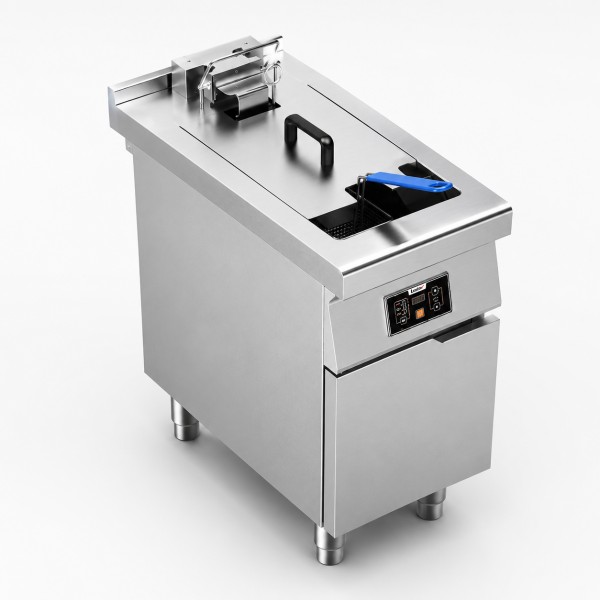
A heavy-duty electric fryer is generally built for sustained commercial use in high-volume environments. It is different from a lighter-duty model because it is expected to work longer, handle repeated basket loads, and maintain stable performance even during peak service periods.
In practical terms, a heavy-duty electric fryer is often associated with the following characteristics:
· larger oil capacity
· stronger heating performance
· faster temperature recovery
· durable stainless steel construction
· commercial-grade controls
· easier maintenance access
· better fit for continuous daily operation
For large restaurants, central kitchens, canteens, hotel kitchens, and fast-food chains, these qualities are not optional extras. They are often the difference between smooth operation and repeated service delays.
The table below helps show how large-kitchen fryer requirements differ from basic commercial needs.
Feature | Standard Commercial Electric Fryer | Heavy-Duty Electric Fryer for Fast Food |
Daily output capacity | Moderate | High |
Recovery speed | Basic to moderate | Fast |
Oil capacity | Smaller or medium | Medium to large |
Best use case | Light to medium service | Continuous high-volume service |
Durability level | General commercial use | Intensive daily use |
Temperature stability | Acceptable | More consistent under load |
Suitable for large kitchens | Sometimes | Yes |
Long-shift performance | Limited in some models | Designed for demanding operation |
This is why many buyers do not simply search for electric fryers. They specifically look for top-rated commercial electric fryers for large kitchens that match production intensity and menu demand.
When comparing fryer models, some specifications matter much more than others in daily operation. The best choice is usually not the fryer with the longest spec sheet, but the one whose design fits the real rhythm of the kitchen.
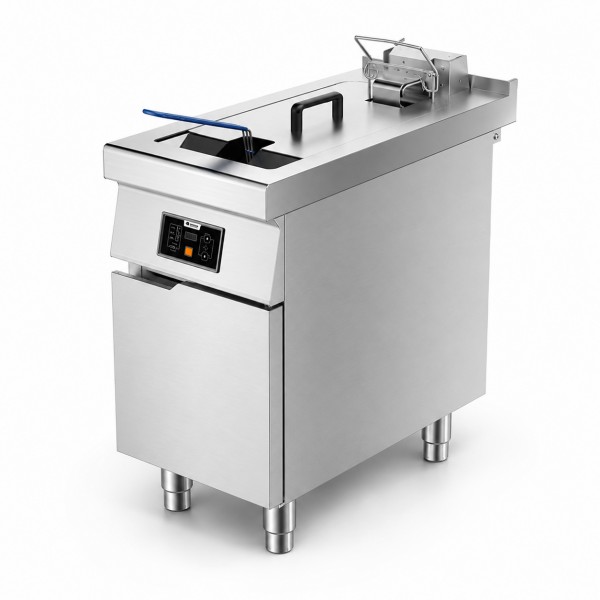
Large kitchens need fryers that can handle repeated production without constant waiting. Capacity influences how much food can be cooked in one cycle and how efficiently the fryer supports rush-hour demand. If the tank is too small, the oil temperature may drop too much after each batch, leading to slower output and uneven frying results.
This is one of the most important performance factors in fast-food service. A fryer may look powerful on paper, but if it cannot recover heat quickly after baskets are dropped, product quality can become inconsistent. Crispness, color, and cooking time all depend on strong heat recovery.
Heavy-duty electric fryers should be made for commercial stress. Stainless steel bodies, reinforced baskets, stable heating elements, and easy-clean interiors all matter in large kitchens where the fryer is used constantly.
In fast-paced kitchens, staff need controls that are clear, practical, and reliable. Overly complicated interfaces may slow training and increase mistakes. Good fryer controls should help operators manage temperature, cooking cycles, and safety without adding unnecessary complexity.
Oil is one of the ongoing costs of fried food operations. Fryers that support better oil circulation, easier filtering, and more stable temperature control can help extend oil life and reduce waste.
It is easy to assume that a large kitchen simply needs the largest fryer available, but equipment planning is more strategic than that. The best top-rated commercial electric fryers for large kitchens are not only about size. They should also support workflow, menu structure, and service peaks.
For example, a kitchen that mainly fries French fries and onion rings may prioritize capacity and quick recovery. A kitchen that handles a wider variety of fried foods may need multiple tanks to avoid flavor transfer and improve production flexibility. In some operations, several medium-to-large fryers may perform better than one oversized unit because they support more organized batch control.
This means buyers should think about:
· peak order volume
· menu composition
· available kitchen space
· staff workflow
· cleaning and maintenance routines
· utility setup and electrical load
The right fryer is the one that improves the whole production system, not just one isolated cooking task.
Although some buyers compare electric and gas models, electric fryers continue to be a strong choice for many professional kitchens, especially where indoor working conditions, precision, and installation flexibility matter.
Electric fryers are often appreciated for:
· accurate temperature control
· relatively clean operation
· suitability for indoor commercial environments
· compatibility with modern kitchen layouts
· straightforward day-to-day use
For large kitchens, electric fryers can also support more consistent results when temperature management is a top priority. In fast-food settings, consistency is essential because customers expect the same product quality every time they order. A fryer that helps reduce variation can bring real operational value over the long term.
Not every fast-food business works at the same scale. Even within the same industry, production needs can vary a lot.
These kitchens often need reliable output, strong recovery speed, and a fryer footprint that fits a tighter production area. Space efficiency matters, but performance cannot be compromised during lunch and dinner rushes.
Operations serving fried chicken, fries, seafood, snacks, and side items often need multiple baskets or separate tanks. In these cases, fryer setup should support product separation and steady output across different menu categories.
Chain operators often look for repeatability. They want fryers that are easy to train on, easy to maintain, and stable enough to support the same cooking results across multiple locations.
Larger-scale production kitchens may prioritize volume, durability, and long-shift performance. Equipment in these environments needs to maintain reliability over extended operating hours.
The point is simple: the best fryer for one business may not be the best fryer for another, even if both are searching for top-rated commercial electric fryers for large kitchens.
Choosing heavy-duty electric fryers for fast food is really about selecting equipment that can support speed, consistency, and durability under real production pressure. For operators comparing top-rated commercial electric fryers for large kitchens, the best decision usually comes from balancing output needs, recovery performance, oil efficiency, construction quality, and long-term operating value rather than focusing only on the lowest purchase price. In our view, a good fryer should do more than cook food well. It should support the entire kitchen system by helping staff work faster, improving consistency during peak hours, and reducing avoidable inefficiencies over time. At Shenzhen Mantru.E Commercial Equipment Manufacturing Co., Ltd., we believe commercial kitchen equipment should be evaluated through the lens of actual service conditions and practical kitchen demands. For buyers who want to learn more about heavy-duty electric fryer solutions for fast-food operations and large kitchens, it is worth discussing project needs in detail with an experienced manufacturer that understands both performance expectations and everyday operational challenges.
A suitable fryer should offer strong heating performance, fast recovery time, durable construction, and enough oil capacity to support repeated high-volume production.
Yes, many fast-food kitchens choose electric fryers because they can provide stable temperature control, consistent frying results, and practical daily operation in commercial environments.
The right size depends on your menu, peak order volume, available floor space, and whether you need one tank or multiple frying zones for different products.
Because large kitchens need equipment that can perform continuously during busy service periods without losing temperature stability, speed, or product consistency.


