


Views: 0 Author: Site Editor Publish Time: 2026-09-28 Origin: Site


Serving perfect rice during a dinner rush feels like a high-wire act for many restaurant owners. Scaling up preparation is rarely as simple as multiplying your ingredients. Large volumes trap heat differently. This often leads to mushy tops and scorched bottoms. Inconsistent texture frustrates diners. It wastes valuable inventory and slows down service significantly. How do we solve this daily challenge? We must treat bulk preparation as a precise science.
You will explore actionable strategies to maintain flawless quality across massive batches. We will examine the critical role of starch management in commercial environments. You will discover precise holding techniques. We will show how standardized procedures eliminate common kitchen guesswork. Finally, we will review the specific equipment features essential for professional results. Mastering these core elements guarantees perfect grains every single time.
Let us break down the chemistry behind cooking grains. Every grain contains two primary starches. Amylose provides firmness and separation. Amylopectin creates stickiness and soft textures. Different varieties require unique handling. Jasmine and basmati possess higher amylose levels. They stay separate and fluffy naturally. Short-grain sushi varieties contain abundant amylopectin. They cling together tightly. You must match your technique to the specific grain.
When you increase batch sizes, thermal dynamics shift dramatically. A small pot boils quickly and evenly. A massive vat struggles to distribute heat. The bottom layer often overcooks before the center even simmers. We call this uneven thermal mass. Managing it requires careful strategy. The gelatinization phase demands precise temperatures across the entire vessel.
Steam acts as your primary cooking agent here. The liquid boils, turning into vapor. This vapor penetrates the cellular structure. If steam cannot circulate properly, you get a dense, unappetizing brick. We must ensure adequate space above the water line. You cannot fill vessels to the brim. The expanding grains need room to breathe. Proper steam circulation guarantees every layer cooks uniformly. You achieve tender results from top to bottom.
Commercial kitchens cannot rely on residential appliances. Residential units lack the power required for continuous, high-volume service. They struggle to recover temperature quickly. This leads to extended cooking cycles and poor textures. You need specialized tools built for extreme demand.
A high-quality commercial rice cooker transforms kitchen operations. These units utilize advanced heating elements. They distribute thermal energy evenly across the entire base and sides. This prevents the dreaded scorched bottom layer. It also eliminates cold spots near the surface. They handle immense daily workloads flawlessly. Your team gains reliable performance during peak service hours.
For maximum versatility, many establishments choose a robust commercial electric rice cooker. Electric models offer precise thermostatic controls. They automatically switch to a holding temperature once the cycle completes. This automatic transition prevents overcooking. Your staff can focus on other tasks safely. They do not need to monitor the pot constantly. The thermal sensors do the heavy lifting.
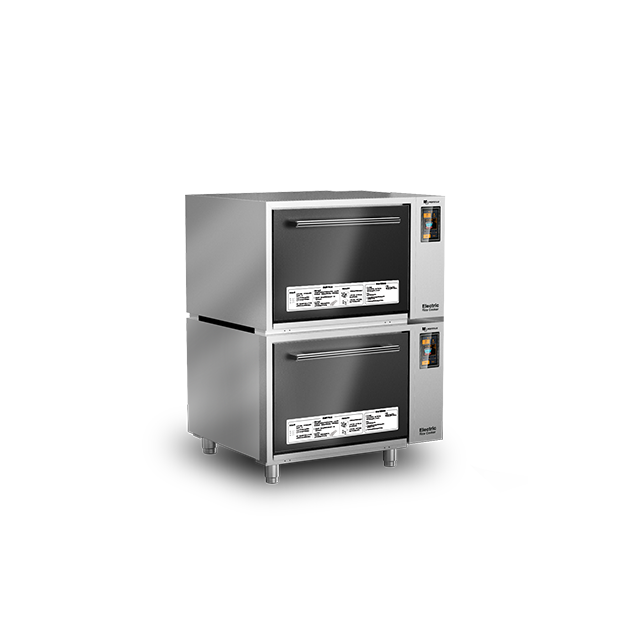
High-capacity operations often require a multi-tiered approach. A heavy-duty rice cooker provides incredible output. Some models feature separate cooking decks. You can prepare different varieties simultaneously. Prepare brown rice on one deck and white on another. This flexibility helps diverse menus thrive. Thick insulation in these heavy-duty units retains heat effectively. It ensures consistent holding temperatures during busy service windows. They handle back-to-back cycles effortlessly. We highly recommend matching your equipment to your specific daily volume.
Consistency starts long before the heat turns on. Preparation protocols dictate the final texture. Human error ruins more batches than mechanical failure. You must establish strict standard operating procedures for your prep team.
First, let us discuss rinsing. Milling leaves a fine layer of starch dust. If you do not wash it away, this dust turns into glue. It causes grains to clump together aggressively. Your staff must rinse thoroughly. Agitate the grains gently in cold water. Drain and repeat until the liquid runs clear. For huge volumes, use a specialized washing machine. Manual washing takes too long. It also strains your workers physically.
Next, consider soaking. Soaking kickstarts the hydration process. It allows moisture to penetrate the core deeply. This step reduces actual heating time. It also produces a plumper, more uniform grain. Different varieties need different soaking durations. Short-grain requires about thirty minutes. Long-grain varieties might need less. We suggest standardizing these times across your kitchen. Use timers to avoid guesswork.
Water ratios change as batches grow larger. You cannot scale up mathematically. Less evaporation occurs in deep, wide commercial vessels. If you use a standard ratio, massive batches turn out soggy. You must reduce the liquid percentage slightly as volume increases.
Table 1: Optimal Water-to-Grain Ratios for Commercial Production
| Batch Size | Grain Type | Recommended Ratio (Grain:Water) |
|---|---|---|
| Small (under 5 cups) | Long Grain | 1 : 1.50 |
| Medium (10-20 cups) | Long Grain | 1 : 1.25 |
| Large (30+ cups) | Long Grain | 1 : 1.15 |
| Large (30+ cups) | Short Grain | 1 : 1.10 |
The cycle finishes. The machine clicks over to the warm setting. The cooking process is not actually over. We call this the resting phase. Resting is non-negotiable for perfection. It allows residual steam to redistribute evenly. Moisture moves from the soggy bottom to the drier top.
Never open the lid immediately. If you release the steam prematurely, the top layer dries out completely. We recommend a mandatory ten-minute resting period. Enforce this rule strictly during service. Inform your front-of-house staff about this delay. It manages expectations effectively and prevents early tampering.
After resting, you must fluff the batch. Fluffing separates the grains. It halts the cooking process by releasing trapped heat. Use a proper commercial paddle. We call this tool a shamoji. Slice vertically through the mass. Gently fold it over from the bottom up. Do not smash or stir aggressively. Aggressive stirring crushes the delicate structure. Crushed grains release sticky starch immediately. Serve carefully from the top layers downwards.
Holding cooked food safely presents significant challenges. You must balance food safety with culinary quality. Health codes require strict temperature controls. The FDA Food Code dictates hot holding above 135°F (57°C). Falling below this threshold encourages bacterial growth. Bacillus cereus thrives in lukewarm starchy environments. It poses severe foodborne illness risks.
However, prolonged high heat dries everything out. The edges become hard and unpalatable. How do you strike the perfect balance?
First, utilize specialized holding cabinets. Many modern cookers feature excellent keep-warm functions. They maintain precise temperatures continuously. Do not unplug the unit to save energy. Keep the lid securely fastened between servings.
Second, manage moisture levels actively. You can place a damp, food-safe towel over the top layer. This physical barrier traps evaporating moisture. It prevents a crust from forming on the surface. Some chefs use a specialized silicone net. It serves a similar protective purpose effectively.
Third, practice strict batch rotation. We recommend smaller, more frequent batches. Do not cook enough for the entire twelve-hour shift at once. A four-hour maximum holding time ensures premium quality. Discard or repurpose anything older than four hours. Use it for fried dishes the next day. This practice minimizes waste while protecting fresh service quality.
Let us review frequent pitfalls. Kitchens often struggle with the same repeating errors. Identifying them early saves time and frustration. We compiled a list of common operational failures.
Your restaurant is only as good as your worst shift. High turnover rates plague the hospitality industry. You must rely on systems, not just skilled individuals. SOPs guarantee consistency regardless of who is working. You need documented standards accessible to everyone.
Create visual guides for the prep station. Laminate a step-by-step chart. Include photographs of the correct water levels. Post the resting timers directly on the wall. Visual aids cross language barriers easily. They eliminate confusion during chaotic prep hours.
Train your staff on the underlying chemistry. Explain why rinsing matters. When cooks understand the science, they stop cutting corners. They take ownership of the final product. They respect the machinery better.
Implement a daily quality control check. The head chef or manager should taste the first batch daily. Check for core doneness and surface stickiness. Log these results in a digital system. Over time, you will spot trends. You can adjust your recipes based on hard data. Create specific procedures for shift transitions. Ensure the evening team inherits fresh batches from the morning crew.
Scaling up production demands precision and care. You cannot leave large batches to chance. Implement strict measuring and rinsing standards immediately. Upgrade your equipment to manage heavy volumes effectively. Enforce mandatory resting periods before serving. Train your team continuously on these established protocols.
Consistent execution builds customer trust. It protects your ingredient budget by eliminating unnecessary food waste. Start by evaluating your current water ratios today. Measure your holding times strictly. Minor adjustments yield massive improvements in texture and taste. Your kitchen will run smoother during peak hours.
A: Health guidelines require hot holding above 135°F (57°C). For optimal culinary quality, we recommend holding it no longer than four hours. Prolonged holding degrades texture and flavor. Use older batches for fried dishes later to minimize waste.
A: Scorching usually indicates uneven heat distribution or improper water ratios. Check your heating element for residue buildup. Ensure you use commercial-grade equipment designed for heavy volumes. Lower the water ratio slightly for massive quantities.
A: Yes. Skipping the wash leaves excess surface starch intact. This starch activates during boiling. It creates a glue-like consistency. Unwashed batches clump together and stick to the pot walls aggressively. Always wash until the water runs clear.
A: No. Brown, jasmine, and short-grain varieties possess different hydration needs. Brown requires more water and longer cooking times. Create separate recipe cards and procedures for each specific variety you serve to maintain quality.


