


Views: 0 Author: Site Editor Publish Time: 2026-08-27 Origin: Site


In the fast-paced world of professional kitchens, where efficiency, precision, and safety are paramount, the choice of cooking equipment can significantly impact a restaurant’s success. One of the most revolutionary advancements in commercial cooking technology is the induction hob. These sleek, modern cooktops offer a range of benefits that traditional gas or electric hobs simply cannot match. In this article, we will explore the many advantages of commercial induction hobs, making a compelling case for their adoption in professional kitchens worldwide.
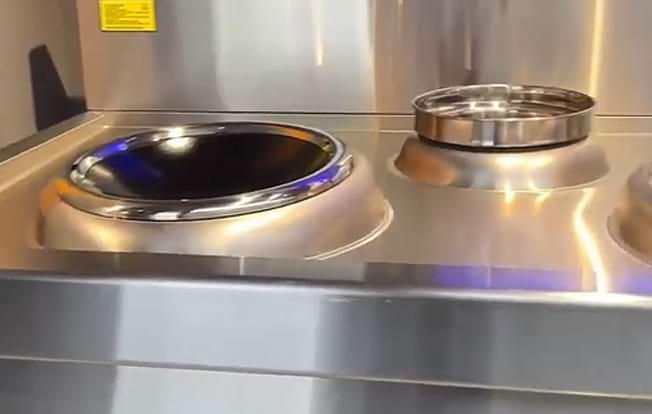
Induction cooking is not a new concept; it has been used in residential kitchens for decades. However, its adoption in commercial kitchens has been relatively slow. This is changing rapidly, though, as more and more restaurants and catering businesses discover the numerous benefits of induction cooking. The global market for induction cooktops is expected to grow significantly in the coming years, driven by the commercial sector’s increasing demand for energy-efficient and precise cooking equipment.
The rise of induction cooking in professional kitchens can be attributed to several factors. Firstly, chefs are always looking for ways to improve their cooking techniques and achieve better results. Induction cooking offers unparalleled temperature control, allowing chefs to cook with precision and consistency. Secondly, the restaurant industry is becoming increasingly aware of its environmental impact. Induction cooking is a more sustainable option, as it uses less energy and produces fewer greenhouse gas emissions compared to traditional cooking methods. Lastly, the commercial kitchen equipment market is evolving, with more manufacturers offering high-quality induction hobs designed specifically for professional use.
One of the most significant advantages of commercial induction hobs is their energy efficiency. Induction cooking uses electromagnetic fields to directly heat the cookware, rather than heating the hob itself. This means that up to 90% of the energy generated is transferred to the pan, compared to only 50-60% with gas or traditional electric cooktops. The result is faster cooking times and lower energy bills, which can make a substantial difference in a busy professional kitchen.
Induction cooking offers unparalleled precision and control over cooking temperatures. The heat can be adjusted instantly, allowing chefs to achieve the perfect simmer, boil, or sauté with ease. This level of control is particularly beneficial for delicate tasks such as melting chocolate or preparing sauces, where even a small temperature fluctuation can ruin the dish. Additionally, induction hobs maintain a consistent temperature, ensuring that food cooks evenly and reducing the risk of hot or cold spots.
Safety is a top priority in any professional kitchen, and induction hobs excel in this area. The cooking surface remains cool to the touch, reducing the risk of burns or scalds. This is especially important in busy kitchens where accidents can easily happen. Furthermore, induction cooking produces less ambient heat, making the kitchen more comfortable for staff working in close quarters. This can help to reduce heat-related fatigue and improve overall working conditions.
Induction hobs heat up and cool down much faster than gas or traditional electric cooktops. This speed and efficiency can be a game-changer in a busy kitchen, where every second counts. For example, induction hobs can bring water to a boil in a fraction of the time compared to gas or electric hobs, allowing chefs to work more quickly and efficiently. This can lead to increased productivity and faster service times, ultimately benefiting the restaurant’s bottom line.
Commercial induction hobs have smooth, flat surfaces that are easy to clean and maintain. Spills and splatters do not burn onto the hob, making it simple to wipe down after use. This is particularly advantageous in busy kitchens where time is of the essence. Additionally, the lack of burners or grates means there are fewer crevices for dirt and grime to accumulate, resulting in a more hygienic cooking environment.
Induction hobs are highly versatile and can accommodate a wide range of cookware, from stainless steel and cast iron to copper and aluminum. This flexibility allows chefs to use their preferred pans without the need for expensive induction-specific cookware. Furthermore, induction hobs can be easily integrated into existing kitchen layouts, providing additional cooking space when needed. This adaptability makes induction hobs an excellent choice for kitchens of all sizes and configurations.
While the advantages of commercial induction hobs are clear, there are some considerations to keep in mind when choosing the right model for your kitchen. Firstly, it is essential to select a hob that is built to withstand the demands of a professional kitchen. Look for models with robust construction, high-quality components, and reliable performance. Additionally, consider the size and configuration of the hob, ensuring that it will fit seamlessly into your kitchen layout and meet your cooking needs.
Another important factor to consider is the type of power supply required for the induction hob. Most commercial models require a three-phase power supply, which may necessitate electrical upgrades in your kitchen. It is crucial to consult with a qualified electrician to determine the appropriate power requirements for your chosen induction hob and ensure that your kitchen’s electrical system can accommodate it.
Finally, consider the long-term costs associated with induction cooking. While induction hobs may have a higher upfront cost compared to gas or traditional electric hobs, the energy savings and improved efficiency can lead to significant cost savings over time. Additionally, induction cooking can help to reduce your kitchen’s carbon footprint, aligning with the growing trend towards sustainability in the restaurant industry.
The advantages of commercial induction hobs in professional kitchens are undeniable. From energy efficiency and precision to safety and comfort, induction cooking offers a range of benefits that can enhance the performance and sustainability of any restaurant or catering business. As the restaurant industry continues to evolve, induction cooking is poised to play a significant role in shaping the future of professional kitchens. By embracing this innovative cooking technology, restaurants can stay ahead of the curve, improve their bottom line, and contribute to a more sustainable future for the planet.
A commercial induction hob is a professional cooking appliance that uses electromagnetic technology to heat compatible cookware directly. It is commonly used in restaurants, hotels, and catering operations because it provides rapid heating, precise temperature control, and efficient energy use.
Commercial induction hobs are generally more energy-efficient than gas hobs because they transfer heat directly to the cookware. This reduces energy loss and ambient kitchen heat, which may help lower operating costs.
Commercial induction hobs require cookware with a magnetic base. Cast iron and many stainless steel pans are compatible. Aluminum and copper cookware can only be used if they have an induction-compatible magnetic base.
Commercial induction hobs eliminate open flames and often include safety features such as pan detection, overheating protection, and automatic shut-off. However, the cooking surface can still become hot through contact with heated cookware.
Not all commercial induction hobs require a three-phase power supply. Smaller models may operate on single-phase electricity, while higher-powered units often require a three-phase connection. Always check the manufacturer’s electrical specifications before installation.
Allow the cooking surface to cool before wiping it with a soft cloth and a suitable nonabrasive cleaner. Remove food spills regularly, keep ventilation openings clear, and follow the manufacturer’s maintenance instructions.
Consider the hob’s power output, number of cooking zones, cookware compatibility, electrical requirements, construction quality, and available kitchen space. Restaurants with higher cooking volumes may require more powerful units designed for continuous commercial use.


